Крэк: состав наркотика и отличия вещества от кокаина
 Содержание
Характерная особенность наркомании заключается в том, что она затрагивает все слои общества – от наиболее бедных, до материально обеспеченных на самом высоком уровне.
Наркотик крэк (crack) – это разновидность кокаина, которая несет большую угрозу здоровью и жизни тех, кто ее употребляет. Избавиться от наркотической зависимости сложно, поэтому лучше узнать об опасности заранее и не допустить ее возникновения.
Истоки происхождения и распространение крэка
В отличие от кокаина, который человечеству знаком уже несколько тысяч лет, история крэка началась в конце двадцатого века.
Производители наркотических веществ поставили перед собой задачу изготовить дешевый наркотик, доступный самым малообеспеченным слоям населения.
Им и стал крэк. Помимо низкой стоимости (по сравнению с кокаином), он выгоден наркоторговцам тем, что вызывает сильную зависимость, а употребление не требует долгой подготовки, осуществляется очень быстро.
Употребление крэка началось на территории США и Нидерландов, постепенно распространившись на все регионы планеты.
В современном мире производство и продажа крэка – многомиллардный бизнес, в который вовлечены и преступные группировки, и коррумпированные структуры государственной безопасности многих стран.

Курильщик крэка в Бразилии
- Канада;
- США (преимущественно южные штаты);
- Австралия;
- Южная Америка (преимущественно Аргентина, Чили, Бразилия, Парагвай, Венесуэла);
- Европа (Испания, Италия, Дания, Ирландия, Англия).
Только в США за последний год количество людей старше 12 лет, употребляющих крэк, достигло миллиона человек, а тех, кто хотя бы однажды его пробовал, приближается к отметке 10 миллионов.
Чем характеризуется данная разновидность наркотика
Точная формула крэка неизвестна, ведь существует много разновидностей этого наркотика. Базовое действующее вещество в его составе – кокаин.
В качестве дополнительного элемента обычно используется сода, хотя это могут быть различные соли и другие вещества. О точном соотношении кокаина и соды в крэке знают лишь производители наркотика.
Что значит «крэк»? Термин происходит от американского глагола «crack», что означает «хруст», «треск». Именно такой звук издает вещество, когда на него воздействует высокая температура (при курении посредством особой трубки).

Внешний вид крэка
Как выглядит крэк? Это кристаллические плитки или кусочки, края у которых неровные, а форма – произвольная.
- белый;
- желтый;
- розовый;
- сероватый.
Производство крэка осуществляется путем выпаривания кокаина в сочетании с пищевой содой, к которым добавляется определенное вещество-основание. После такой обработки образуется очищенное и высококонцентрированное вещество, эффект от которого быстрый и сильный.
Быстрому наркотическому воздействию способствует и способ употребления крэка: его курят, поэтому он быстро и в высокой концентрации попадает в кровь. Так же быстро происходит и привыкание к нему.
В чем состоит различие между кокаином и крэком
Кокаин употребляют в основном, вдыхая через носовые ходы. Кровеносные сосуды при этом сужаются, и всасывание вещества в кровь посредством слизистых оболочек носа замедляется.
Поэтому кокаин поступает в организм медленно, но его воздействие длится на протяжении нескольких часов.
При курении крэка создается высокая температура, способствующая быстрому всасыванию парообразного вещества в кровь посредством большой поверхности легких.

Способ употребления крэка курением
Очень быстро наступает наркотическое опьянение, но эффект длится недолго. Курение крэка сопровождается многими побочными эффектами, в том числе после употребления появляются симптомы «ломки».
Как воздействует крэк на организм человека
- эйфория, проявляющаяся моментальным улучшением настроения, весельем (радостные эмоции, мир видится в ярких и позитивных красках);
- ощущение прилива сил – наркоман чувствует приток энергии, все проблемы кажутся легко решаемыми, трудности – легко преодолимыми, хочется летать;
- активируется деятельность мозга – человеку кажется, что его способность к обучению многократно повысилась, что он способен запоминать большой объем информации, но она быстро забывается;
- мания величия – уверенность в собственных силах достигает максимума, под воздействием наркотика человек становится очень самоуверенным, храбрым, игнорирует опасность;
- восприятие обостряется – органы чувств становятся более восприимчивыми (насыщенные цвета и звуки, прикосновения чувствуются особенно интенсивно);
- пробуждается фантазия, возможны галлюцинации (особенно часто появляется чувство, что на коже или под кожей движется множество насекомых);
- возникает бессонница;
- настроение ухудшается, возникает депрессия, упадок сил, агрессия.
Люди, пристрастившиеся к крэку, становятся равнодушными, озлобленными, теряют человеческие качества.

Чувство эйфории после приема крэка
Они способны на преступление ради очередной дозы наркотика, нередко заканчивают жизнь самоубийством, попадают в тюрьму или погибают при столкновении с сотрудниками органов правопорядка.
По каким симптомам можно определить крэкового наркомана
- потеря аппетита, апатия;
- слишком веселое настроение (или чересчур депрессивное, вплоть до попыток суицида);
- длительная бессонница;
- учащенное дыхание, расширенные зрачки, судороги, галлюцинации;
- ожоги на губах и сильно потрескавшиеся губы (появляются из-за особенностей курения крэка).
Особенности крэковой зависимости и борьбы с ней
- сильный (hard);
- железо (iron);
- камень (rock);
- основание (base);
- пещеристый (cavy).
Могут встречаться и другие названия: «кристаллы», «слитки», «леденцы», «игральные кости» (dice). Эти термины подчеркивают внешний вид наркотика и его свойство вызывать очень сильный эффект и серьезную зависимость.

Реабилитация в наркологическом центре людей зависимых от крэка
Бороться с крэковой зависимостью сложнее, чем с другими, потому что она возникает быстро, более сильная, имеет значительное распространение, а возраст употребляющих нередко начинается с 12-13 лет. Не менее 80% людей, попробовавших крэк, приобретают устойчивую наркотическую зависимость.
Заключение
Крэк – опасный наркотик на базе кокаина, доступный для многих благодаря своей низкой стоимости (приобрести дозу можно за 10-15 долларов США), даже для подростков.
Он быстро оказывает сильный наркотический эффект на организм, сопровождаемый множеством негативных побочных эффектов, вызывает химическую зависимость.
Следует прислушаться к предостережениям врачей и отказаться от употребления крэка, иначе последствием может стать кокаиновая зависимость, резкое ухудшение состояния здоровья, вплоть до смертельного исхода.
Catalytic Cracking
Cracking is a process in which large hydrocarbon molecules are broken up “cracked” into smaller, more valuable hydrocarbon molecules. As the name implies, the catalytic cracking process takes place in the presence of a catalyst. The catalyst promotes breaking of the large molecules in a certain way that maximizes the yield of gasoline. Ideally, all of the “cat-cracked” product would be in the gasoline range, but the technology is not that capable. Cat cracking produces a full range of hydrocarbons, from methane to residue.
The feed to the cat cracker is typically gas oil or naphtha. The trend in the design of modern cracking units is the ability to include the residuum as a part of the cracker feed. The residue produced by the catalytic cracker is recycled back into the feed stream. This recycling of the residue is called “recycling to extinction”.
Catalytic cracking consists of three major processes:
- Reaction
- Regeneration
- Fractionation
In the reaction step, the hydrocarbon feed is contacted by the catalyst at a high temperature (about 900 F, 482 C) and the cracking reaction takes place. During cracking, coke is formed. The coke will coat the catalyst preventing it from promoting the cracking reaction. The catalyst is renewed by burning off the coke deposits from the catalyst surface during regeneration. The cracked hydrocarbons are separated using conventional fractionating equipment.
There are three basic types of catalytic crackers:
- Fluid bed
- Moving bed
- Fixed bed
The names of the catalytic cracker styles describe the catalyst bed used. Fluid bed catalytic cracking (FCC) is the most popular design in use today. In the FCC unit, the catalyst is a finely divided powder. When the catalyst is fluidized or “fluffed-up” with air or hydrocarbon vapor it behaves like a fluid and can be moved through pipes and valves.
The catalyst in a moving bed catalytic cracker is in the form of beads or pellets. A mechanical means must be used to move the catalyst from one part of the process to another. In newer plants, air (lift air) or combustion gases from the catalyst regeneration are used to move the catalyst from one place to another.
In FCC and moving bed cracking, catalyst is regenerated in an area separate from the reaction. The catalyst has to be moved by some means from the reactor to the regeneration area. In fixed bed designs, the catalyst is not moved. The equipment consists of a series of reactor vessels containing the catalyst bed. Some of these reactors will be on-line producing cracked hydrocarbons while others will be off-line having the catalyst regenerated.
Fluid Catalytic Cracking
Today, FCC is the most popular of the catalytic cracking processes. FCC units consist of three primary pieces of equipment:
- The reaction chamber in which the hot feed is mixed with the catalyst and the cracking reactions take place
- The regenerator in which the catalyst is regenerated by burning the coke produced in the reactor from its surface
- The fractionator where the cracked hydrocarbons are separated into useful products.
Most FCC units can be described as being one of three general designs: a stacked design, a side-by-side design, or a riser/reactor design. The terms stacked and side-by-side refer to the relationship of the reactor to the regenerator. In the riser/reactor design, there is no reactor vessel in the conventional sense. The cracking reaction takes place in a riser pipe which connects the regenerated catalyst storage area and the catalyst/hydrocarbon separation equipment.
Side-By-Side Design
In figure 1 below is an illustration of the FCC unit licensed by ExxonMobil co. The design consists of a reactor vessel built along side of a catalyst regenerator with long radius U-bend piping connecting the two vessels.

The process is based on a continuous circulation of the catalyst between the reactor and the regenerator. The regenerated catalyst flows from the regenerator standpipe into the bottom of the reactor through a long radius U-pipe. The hydrocarbon feed is introduced into the catalyst flow in this U-pipe. Heat causes the feed to expand or vaporize and fluidize the catalyst. The catalyst and hydrocarbon feed then enter the reactor where the cracking reactions are completed. In practice, most of the cracking of hydrocarbons is accomplished in the U-pipe prior to entering the reactor.
The cracked hydrocarbons are separated from the catalyst in cyclone separators which are internal to the reactor, and then charged to the fractionating column. The hydrocarbons are separated into the various streams in the fractionator. The fractionator bottoms are known as “cycle oil” and are reintroduced into the feed stream and recycled to extinction.
The spent catalyst that is coated with coke gravity flows through a steam stripping section located below the reactor. In the steam stripper, residual hydrocarbons are removed from the catalyst.
After steam stripping, the catalyst is re-fluidized by auxiliary air and forced into the regenerator. Combustion air is introduced into the regenerator and the coke is burned off of the catalyst.
The combustion gases exit the top of the regenerator, after passing through cyclone separators to remove the catalyst fines. The combustion gases are used as fuel for steam generation in CO boilers. The regenerated catalyst enters a standpipe, in the bottom of the regenerator, before being recycled back to the reactor.
For the sake of brevity, I will not go over the stacked, riser/reactor, moving bed nor the fixed bed design process flows. But, you get the scheme of what happens in catalytic cracking from the above descriptions.
Types of Fouling
Operational deposits on the hydrocarbon side of a cracking unit will typically be a mixture of organic and inorganic materials consisting of iron, sulfates and sulfides. The consistency of these deposits ranges from hard coke-like material to what can be described as a sludge. The coke deposits will usually be found in the heat exchanger bundles in the cycle oil line between the bottom of the fractionator and the reactor. Coke deposits may also be found in the feed stream pre-heat furnace. Hydroblasting is probably the most effective means of removing the coke. No solvent system has been found that is effective in removing the coke.
The fouling on the water side of the heat exchangers will be primarily water-borne scales and corrosion products. Depending on the water source, there are many techniques for the chemical removal of these types of deposits that are effective, efficient and cost tolerant. The air side of the fin-fan coolers will become fouled with a soot-like coating of ordinary dirt. This type of fouling can usually be removed by spray washing with a hot neutral detergent-based solution containing a suitable surfactant.
The boilers will become fouled with the same type of deposits that can be found in conventional boilers. Co and waste heat boilers are susceptible to fouling by operational deposits. These units must be periodically cleaned just like any other type of boiler.
Lube and seal oil systems are very important in a cracking unit. In addition to the uses on pumps and boilers. There will be large systems for the air compressors and cyclone separators that are typically thousands of gallons in system volume. While these systems do not require to be cleaned often, they are occasionally cleaned. Cleaning can be accomplished by the processes typical of preoperational cleaning techniques. Of interest, because of the extensive amount of temporary piping that is required to form a circulation loop, vapor phase cleaning with the appropriate chemical additives is a good candidate for the cleaning process.
The fractionator and the associated equipment will contain fouling similar to that found in the crude plant distillation process. The columns will require hazardous vapor removal for light-end hydrocarbons such as benzene and de-oiling. Additionally, since the catalytic reactions of the FCC unit result in the formation of unsaturated compounds (alkenes), you also encounter low-molecular weight polymers and varnish that can deposit inside the fractionator and heat exchange equipment.
Lastly, the FCC unit also has a nasty vessel called a Slurry Settler tank. This vessel collects catalyst fines that have been suspended in slurry oil from the process. The separated slurry oil is decanted from the top of the vessel for re-use while the catalyst fines precipitate inside of the slurry tank forming a hard, concrete-like solid. The catalyst solids are impregnated with hydrocarbons that make the catalyst fines a hazardous waste that carries an EPE K hazardous waste code. This material is expensive to dispose.
Recent develops in extraction chemistry have resulted in a process and chemical products that are effective in removing low PPM-levels of the numerous constituents that comprise the K-code and allow for a non-hazardous disposal of the spent catalyst fines through conventional non-hazardous waste disposal facilities. Imagine the savings to be gained in non-hazardous disposal.
Conclusions
Through these conversations about refinery operations, we have tried to remove the sales pitch component, even though this is not completely possible. Our goal is to bring to your attention to new developments in the industry and the field of chemistry that will prove beneficial in your operations. Chemistry is dynamic and ever learning new ways to address concerns that you encounter every day.
The year is coming to an end. We wish the very best for the new year to all of our friends in the oil and gas and petroleum refining business and a very Merry Christmas to all.
Что это такое – Cat Controls, как активировать и отключить игру на Android 12
Разработчики нередко любят позабавить себя. Делают они это необычным способом – вставляют в свое ПО различные скрытые функции, которые пользователи открывают только со временем. Но особенно среди них выделяется компания Google, которая прячет «пасхалки» в каждом своем продукте, в том числе и ОС Android. Например, на Android 12 разработчики добавили функцию «Cat Controls», но даже не сказали пользователям, что это такое и как отключить. Что ж, будем разбираться.
Описание функции
В сети гуляет стереотип, что все программисты любят котиков. Кажется, его придумали специалисты из компании Google, которые нередко вставляют это животное в свои проекты. Даже в фирменном поисковике при вводе запроса «кошка» в правой части экрана появляется кошачья лапка, при нажатии на которую запускается забавная игра. Впрочем, это просто забавный факт, не будем далеко уходить от рассматриваемой проблемы.
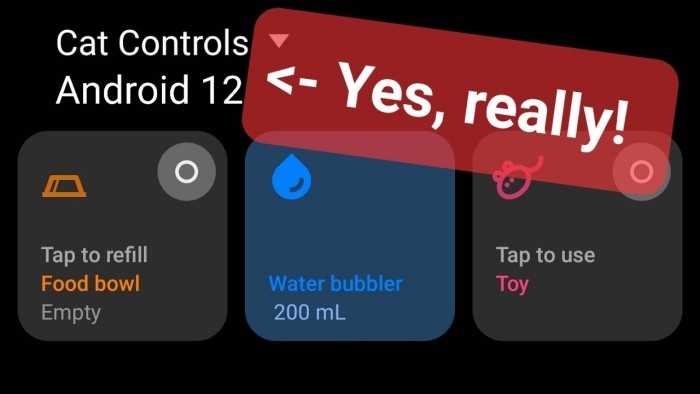
Cat Controls – это встроенная в Android мини-игра, в которой необходимо регулярно кормить кота, наливать ему воду и играться с ним. После каждого взаимодействия с виртуальным питомцем есть шанс получить в коллекцию нарисованного котенка.
Примечательно, что интерактивного красивого интерфейса у приложения нет, оно состоит только из трех кнопок взаимодействия и окна с заработанными питомцами. Самой системой Android функция определяется как инструмент для управления умным домом, а потому появляется в соответствующем меню (ниже часов и выше списка уведомлений при открытии верхней шторки экрана).

Как ее активировать
Узнав о необычной пасхалке, многие пользователи даже резко обновили свои девайсы, чтобы насладиться ею. Однако этого недостаточно и для запуска игры необходимо выполнить инструкцию ниже:
- Откройте настройки.

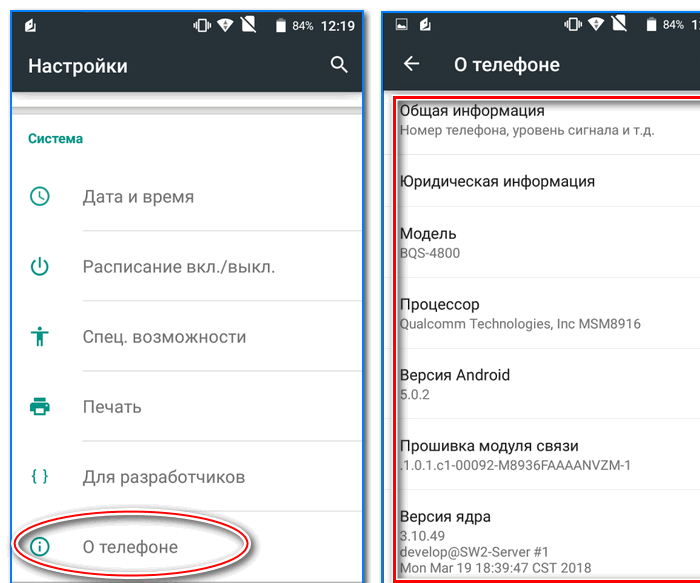
- Перейдите в раздел «О телефоне».
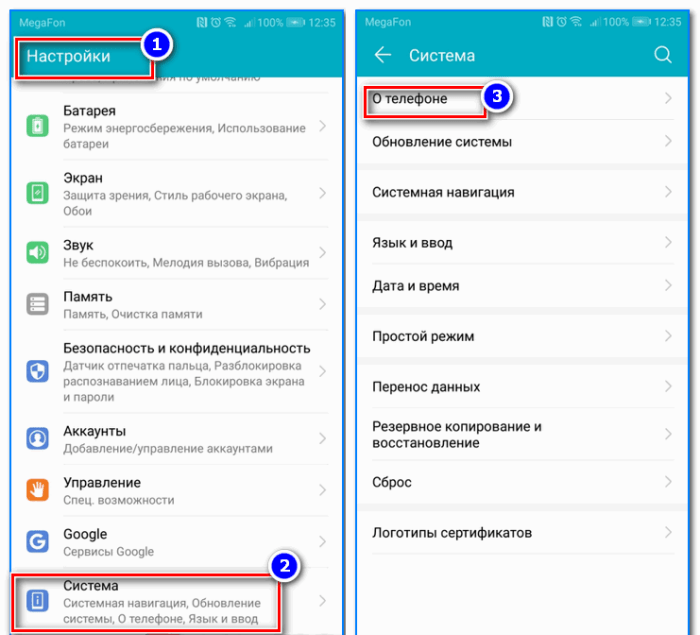
- Кликните несколько раз по пункту «Версия Android», пока не появится виджет с зеленым кругом.
- Прокрутите его до конца, как диск дискового телефона.
- Вернитесь в главное меню и перейдите в раздел «Уведомления и центр управления».
- Кликните по параметру «Умный дом».
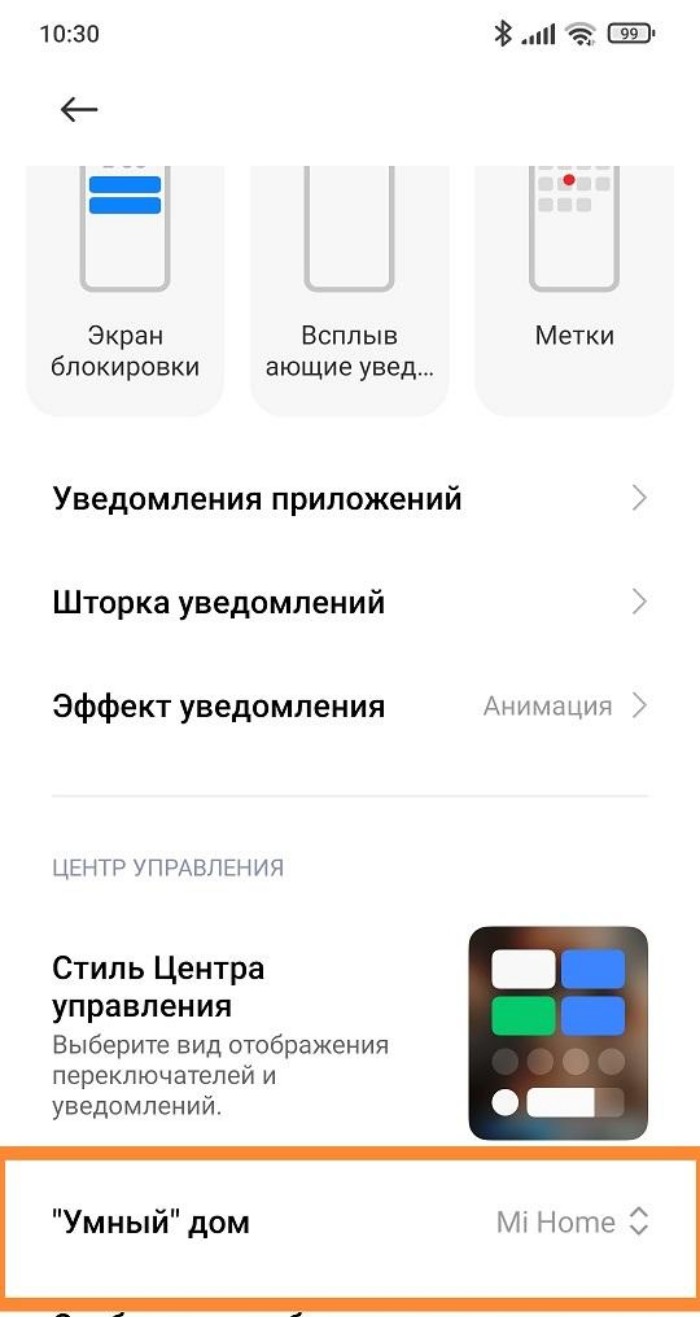
- Выберите пункт «Android S Easter Egg».
Теперь в шторке уведомлений появится дополнительное меню с игрушкой, миской и водой.
Как отключить
Хорошая новость – их можно отключить, для этого достаточно открыть раздел настроек с пунктом «Умный дом» (путь до нее указан в инструкции выше) и в выпадающем меню выбрать значение «Нет».
Can An Average Student Crack CAT (Tips And Tricks)
How much time is required to prepare for CAT for an average student?
The time requirement completely depends upon the level of hard work and practice made by the person. Some people can crack CAT in 4 months even as an average student and can take 6 months for some people. By this, you can understand that an average student requires a minimum time of 6 to 7 months to prepare for the CAT exam.
How much an average student can score in the CAT exam?
We cannot estimate how much an average student can score in the CAT exam because it entirely depends upon the hard work made by the student, how far the concepts are covered, level of practice and how attempted in the exam. There is a probability of getting 100%ile for an average student and less than 70%ile for a topper student. Here it depends on the efforts given by the student, whether the topper or an average student.
Daily routine / Timetable to prepare for CAT for average students.
This daily routine depends on whether you are a college student, a working professional or you have taken a drop. This timetable helps you to prepare for the CAT in a structured manner and you can customise as per your comfort and make sure that you stick with the schedule.
The daily routine from Monday to Saturday:
Watch the concept videos. Spend around 2-3 hours on understanding your weak areas.
Reading regularly, read what you like (can be your favourite novels also)- 30 minutes to 1 hour daily.
Reading diverse articles- 30 minutes.
Solving puzzles like sudoku and doing basic mental math calculations- 30 minutes
Join our Telegram group of MBA aspirants for quick and regular exam updates